What is jihad?
Jihad is arguably the most misused word in global discourse today. Over the past two decades, no other term has been so distorted, weaponized, and sensationalized by media outlets and political powers to conjure fear, suspicion, and moral panic. Yet in the Islamic tradition, its meaning is far richer, more nuanced, and often quite contrary to what this narrative suggests.
Jihad is arguably the most misused word in global discourse today. Over the past two decades, no other term has been so distorted, weaponized, and sensationalized by media outlets and political powers to conjure fear, suspicion, and moral panic. Yet in the Islamic tradition, its meaning is far richer, more nuanced, and often quite contrary to what this narrative suggests.
Literally, jihad means striving and exerting effort for the sake of God. But classical scholars commonly distinguished between two types: an inner struggle and an outer struggle.
The inner jihad refers to striving against the self, the fight within. It is the effort to discipline one’s desires, resist moral corruption, and cultivate obedience to God. The Qur’an repeatedly emphasizes the purification of the soul as a measure of success, and the Prophet Muhammad (peace be upon him) described the truest striver as the one who wrestles with their own ego in obedience to God. Scholars regarded this inner struggle as the most essential, since moral self-discipline is the basis upon which all other forms of responsibility rest.
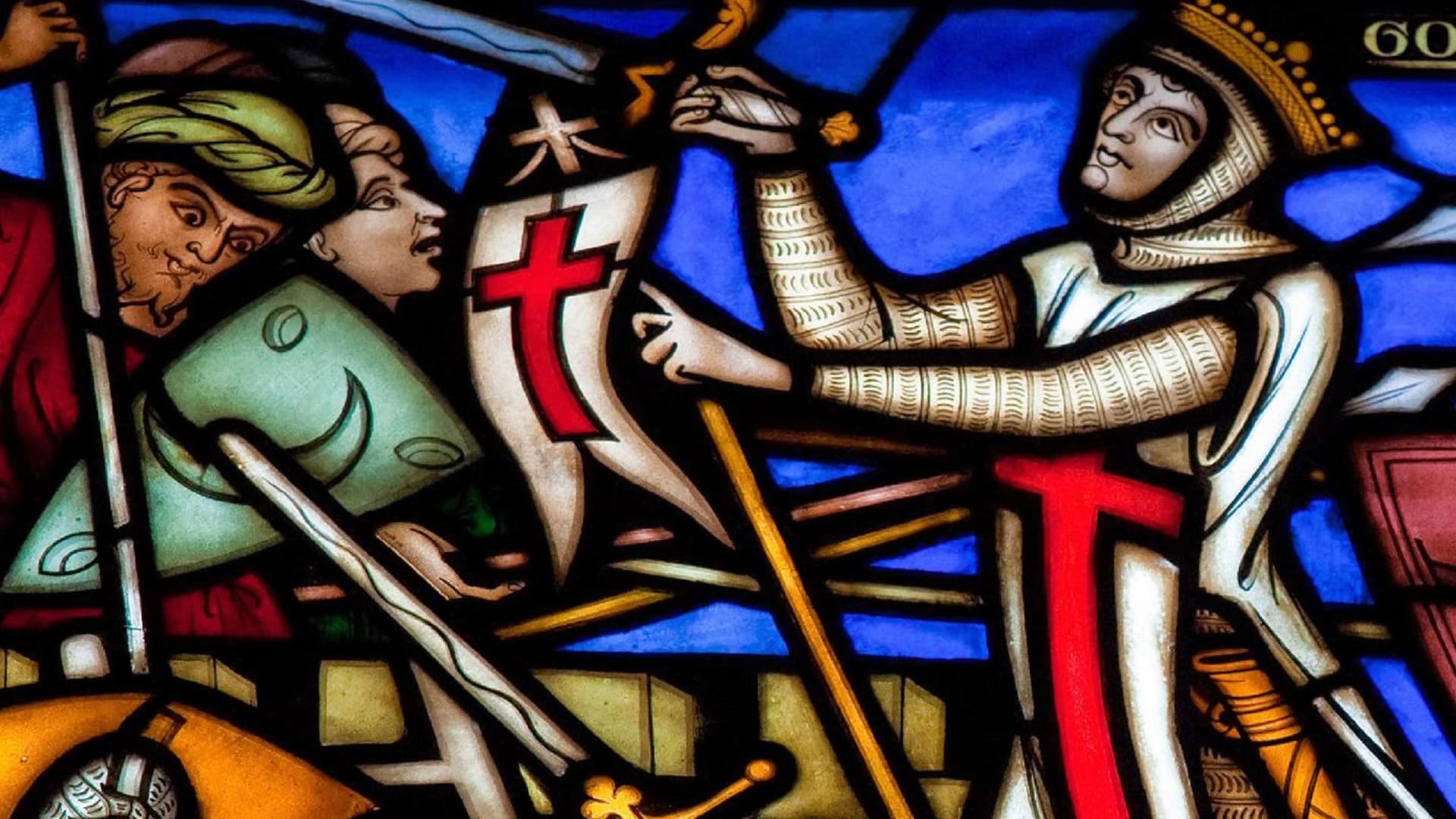
Islam also recognizes a form of outer jihad—armed combat—but context matters. In the premodern world, empires lived in constant rivalry where peace between states was often temporary or nonexistent. Every major moral tradition that was formed in an era of warfare, invasion, and persecution recognized that survival often meant either resisting force or being overcome by it. In a similar vein, classical Islamic discussions about warfare often reflected the assumption that aggression was anticipated rather than already underway. Yet Islam, nonetheless, does not treat war as categorically sacred.
Warfare is understood as a means, not an end, permitted under specific conditions and constrained by ethical limits. The Prophet Muhammad discouraged lust for battle, urged the pursuit of safety and peace, and emphasized restraint even in times of conflict.
His conduct shows that fighting was undertaken reluctantly and strategically, never as religious zeal.
When jihad does take the form of armed struggle, it is governed by a distinct legal and ethical framework. A central principle in the Islamic legal tradition is that fighting is against those who are hostile and aggressive. The Qur’an permits fighting those who initiate combat and it simultaneously prohibits transgression. Classical jurists clarified that people are not fought simply because they hold different beliefs, but because they are aggressors or pose an imminent threat. This distinction explains why noncombatants, especially the elderly, women, and children, were consistently excluded from being legitimate targets and why treaties and covenants were treated as binding religious obligations.
Today, with international law and modern states, the baseline assumption of perpetual war has changed. Contemporary scholars stress a default of nonaggression where covenants and other peace agreements exist. Only legitimate political authorities may declare or conduct war, balancing consequences, treaty obligations, and public welfare. Vigilante violence, indiscriminate attacks, and the targeting of civilians violate Islamic law and were explicitly condemned by the Prophet Muhammad and later jurists. The moral legitimacy of fighting depends on both cause and conduct.
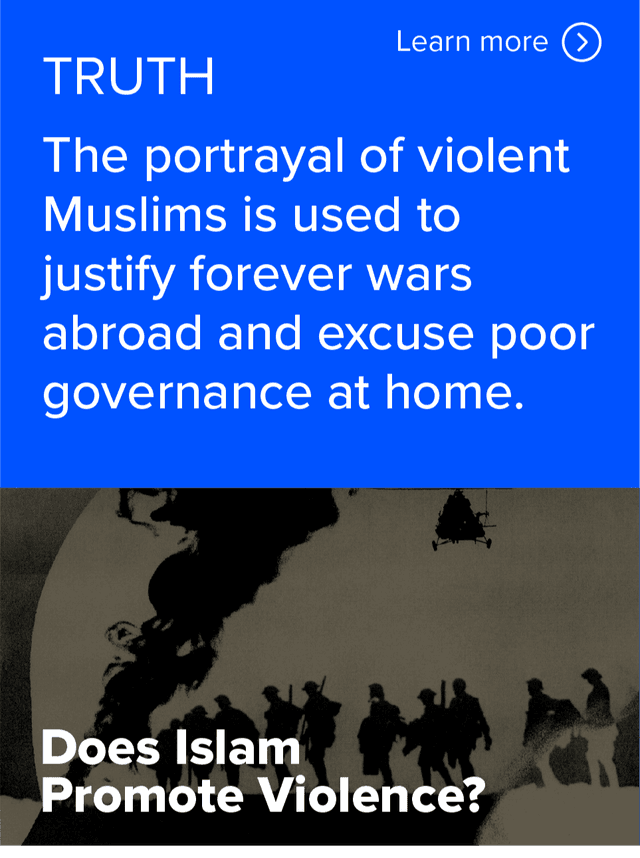
Jihad is a powerful word because it speaks to purpose, struggle, and sacrifice. This is why the term is so often misused by those who exploit religious language to legitimize their brutality and by critics to paint Islam itself as inherently violent and a permanent threat. Both sides discard nuance. In truth,
jihad is not defined by bloodshed or conquest. It is defined by effort, moral striving, discipline, and responsibility before God. What emerges from this tradition is not an ideology of constant fighting, but a regulated moral framework in which striving takes many forms.
Armed conflict, when it occurs, is constrained by ethics, governed by legitimate authority, and terminated whenever peace is possible.