Who is Allah?
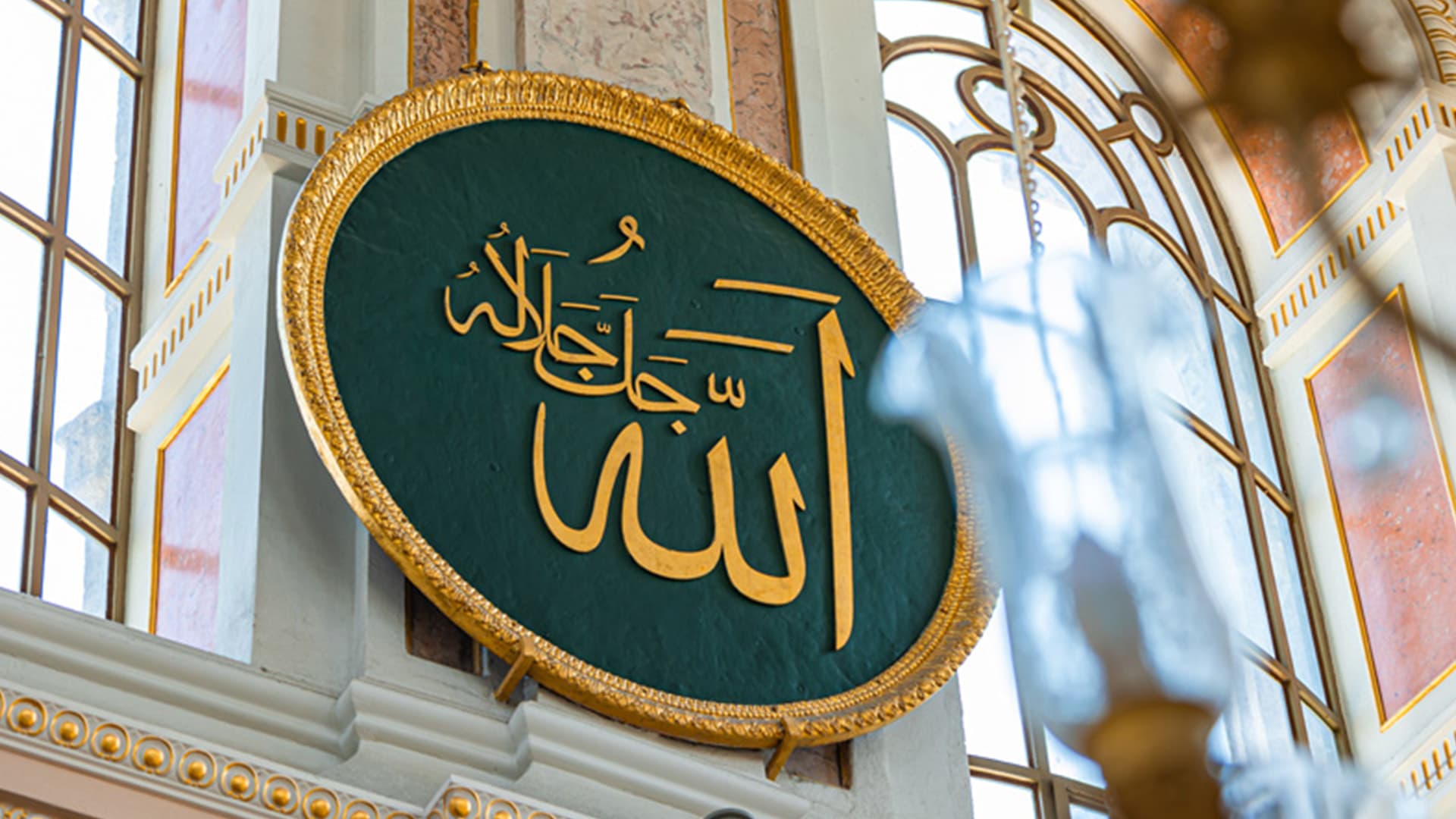
Allah is simply the Arabic word for God. It refers to the same God worshipped by earlier prophets such as Abraham, Moses, and Jesus (peace be upon them all). The Qur’an explicitly affirms this shared lineage and refers to Jews and Christians as “People of the Book,” situating Islam firmly within the same monotheistic tradition.
Allah is simply the Arabic word for God. It refers to the same God worshipped by earlier prophets such as Abraham, Moses, and Jesus (peace be upon them all). The Qur’an explicitly affirms this shared lineage and refers to Jews and Christians as “People of the Book,” situating Islam firmly within the same monotheistic tradition.
For many people encountering Islam for the first time, especially in English-speaking contexts, this comes as a surprise. The word Allah is often treated as foreign, even as the name of a separate deity. This idea that Muslims worship a “different god” didn’t arise organically. Over centuries, religious polemics, colonial narratives, and more recently, post-9/11 political rhetoric framed Islam as fundamentally alien to Western religious history.
Casting “Allah” as a rival or unfamiliar god made it easier to position Muslims as outsiders, not only culturally but spiritually. Repeated so often, the idea hardened into something that most take for granted.
Yet linguistically and theologically, Allah does not refer to a different deity. Allah refers to the One God, the Creator of the universe, worshipped across Judaism, Christianity, and Islam. In fact, Arabic-speaking Christians and Jews use the word Allah in their prayers. Arabic Bibles use the word Allah where English Bibles use God. Walk into an Arabic church service today and you’ll hear God addressed by that very name.
So where do the differences lie?
Islam differs not in which God it worships, but in how God is understood. Central to Islamic belief is tawheed, the absolute oneness of God. God is absolutely One, without division, partners, or intermediaries. The Qur’an expresses this belief concisely in a short chapter Muslims regularly recite:
Say, “He is God—One.
God, the Eternal Refuge.
He neither begets nor is born.
And there is none comparable to Him.”
(Qur’an 112:1–4)
This passage draws a clear boundary between God and creation. Islam rejects the idea that God became human, has a son, or is divided into parts. From the Islamic perspective, attributing human qualities or partners to God compromises divine transcendence.
God is not part of the universe, does not resemble created beings, and is not bound by time, space, or physical form. He is not male or female, has no lineage, and depends on nothing else for existence. God creates, sustains, forgives, and guides, but remains wholly distinct from creation.
The Qur’an describes God through names that convey attributes of the divine nature, traditionally known as the Ninety-Nine Names of God. Among the most frequently repeated are the Most Merciful and the Most Compassionate. Every chapter of the Qur’an (with one exception) opens by invoking these names. One powerful passage contains multiple names:
He is God—there is no god but Him.
He knows what is hidden and what is seen.
He is the Most Merciful, the Most Compassionate.
He is God—there is no god but Him:
the Sovereign, the Holy, the Source of Peace,
the Granter of Security, the Guardian,
the Almighty, the Compeller, the Supreme.
God is far above anything they consider to be His partner.
He is God: the Creator, the Originator, the Shaper.
The most beautiful names belong to Him.
Everything in the heavens and the earth glorifies Him.
And He is the Almighty, the Wise.
(Q 59:22–24)
These names do not encompass everything about God, since God is not confined by language. Rather, they are ways human beings can relate to the divine without reducing God to something humanlike. Reflecting on these attributes is how Muslims learn what it means to trust God, to love God, and to orient their lives accordingly. Human beings were created to know God and to live in a conscious relationship with Him.
As the Prophet Muhammad (peace be upon him) conveyed from God, “I am as My servant thinks of Me.” Those expectations are grounded not in wishful thinking, but in how God describes Himself.
Understood this way, God’s attributes form a moral compass for life. Knowing God as merciful, just, and attentive shapes how believers face hardship and responsibility. God loves the reflection of His attributes in human conduct: mercy expressed as compassion, generosity expressed as giving, knowledge expressed as seeking truth. In this sense, the names of God are not only theological concepts, but practical guides for how to live well, how to treat others, and how to make sense of suffering and hope. They reveal a God who is intimately aware of human experience and who offers, through His very existence, the refuge and meaning people desperately search for elsewhere.