Why Am I Being Silenced by Political Correctness for Critiquing Islam?
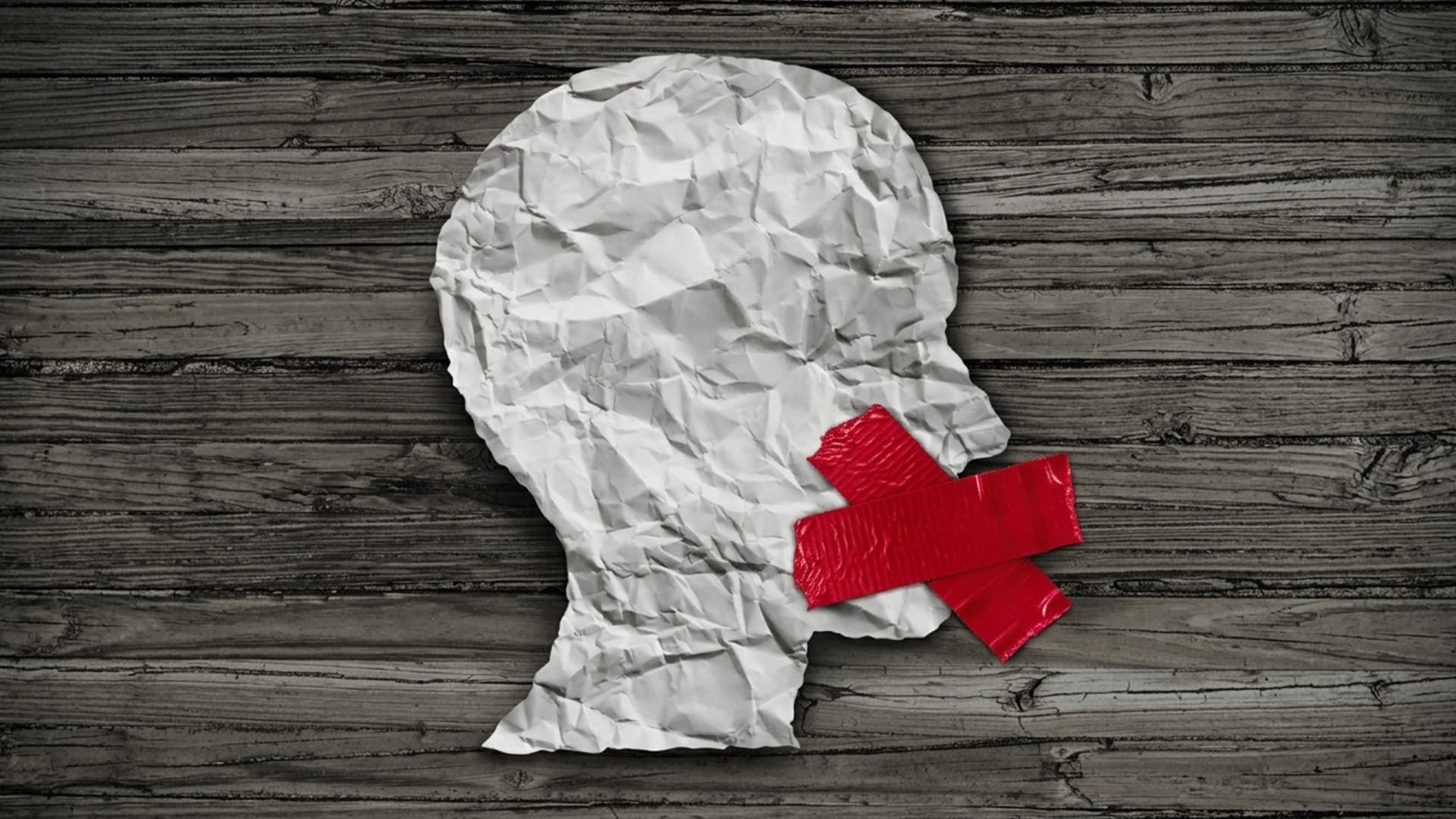
Many people who worry that criticism of Islam is being constrained by political correctness are not motivated by malice or bad faith. Often, what they are responding to is a broader unease about the boundaries of public speech—about what can be said, how freely, and at what social cost. In pluralistic societies undergoing rapid cultural and demographic change, these questions carry real weight.
Many people who worry that criticism of Islam is being constrained by political correctness are not motivated by malice or bad faith. Often, what they are responding to is a broader unease about the boundaries of public speech—about what can be said, how freely, and at what social cost. In pluralistic societies undergoing rapid cultural and demographic change, these questions carry real weight.
At stake is not simply the right to offend, but the fear that open disagreement itself is becoming risky: that certain topics invite disproportionate backlash, institutional penalties, or social stigma. For people who value free inquiry and robust debate, this can feel like a narrowing of civic space, even when formal legal restrictions remain limited.
Seen this way, the concern deserves to be taken seriously—not as proof that censorship is rampant, but as evidence of an unresolved tension within liberal societies.
How should communities balance freedom of expression with the prevention of harm? When does criticism become harassment, and who gets to decide? These questions are not unique to Islam, but Islam has become a focal point for them.
Rather than assuming that censorship is either rare or categorically unjust, it is more accurate to begin with a simple observation: every society regulates speech. The question is never whether limits exist, but which forms of speech are constrained, under what conditions, and for whose benefit. Once framed this way, the debate shifts from outrage to analysis—and from slogans about political correctness to a more careful examination of power, risk, and responsibility.
Speech, harm, and the problem of drawing lines
Once the conversation is stripped of slogans, the underlying concern becomes easier to name. Every society draws boundaries around speech, not because speech is trivial, but because it is consequential. Words do not merely express opinion; they shape moral horizons, legitimate action, and determine who is seen as deserving of protection and who is rendered suspect.
Even societies that prize free expression accept that certain forms of speech must be restricted—not because they offend, but because they likely contribute to harm. Incitement, threats, coordinated harassment, and sustained dehumanization are not treated as neutral expressions, they are understood as precursors to exclusion, violence, or economic marginalization. This is particularly the case when such speech is directed at entire groups of people, a practice that liberal legal traditions have long rejected; the idea that individuals should be judged by group identity rather than conduct is widely regarded as incompatible with Western moral and legal norms.
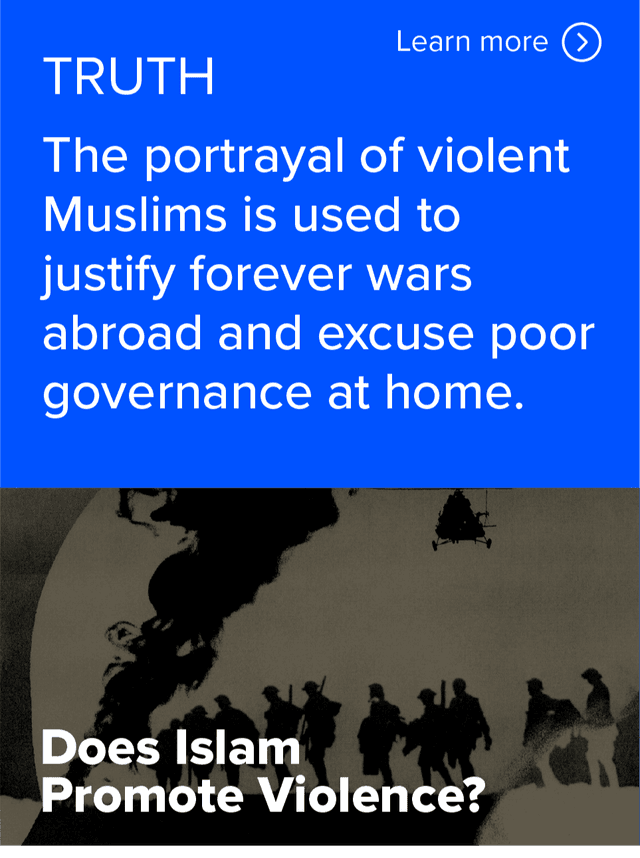
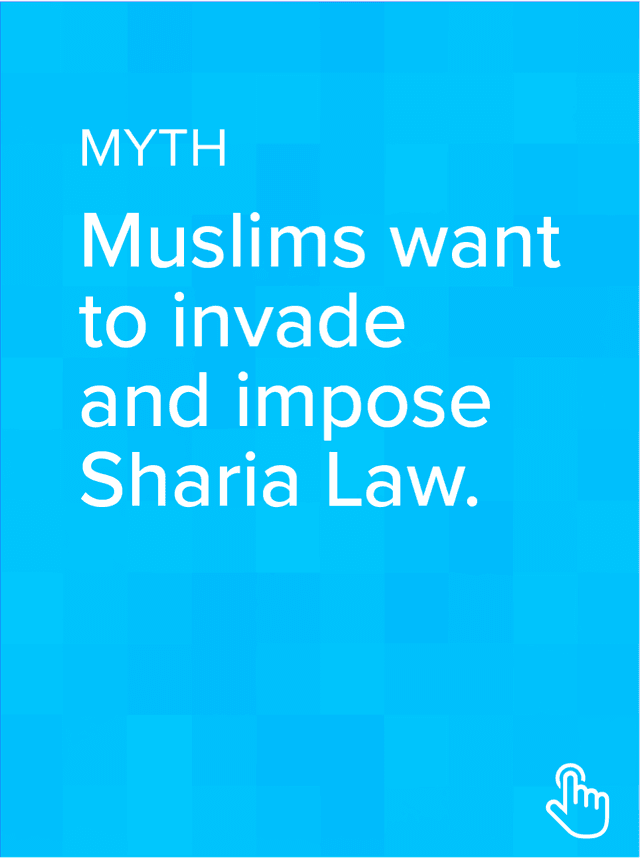
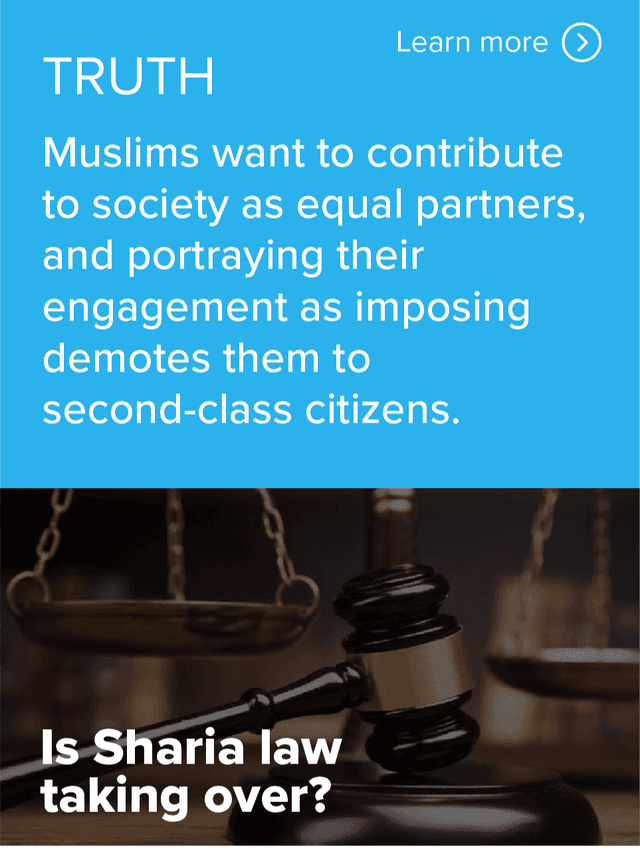
It is precisely here that the framing of entire groups as threats becomes relevant. When rhetoric depicts Muslims—not specific actors, but Muslims as such—as invaders, demographic dangers, or internal enemies, it operates as a form of collective moral blame.
Even without explicit calls to violence, such language normalizes suspicion and lowers the threshold for harassment, exclusion, and punitive policy. The concern with such rhetoric, from this perspective, is not emotional fragility, but the erosion of individual moral standing.
The unease surrounding “political correctness” is rarely theological; it more often reflects fears about expanding regulation across identities such as race, sex, sexual orientation, gender identity, and disability. Intellectual honesty matters here, particularly given that Islam has not been legally shielded from critique. Criticism of Islamic theology, Muslim politics, or Muslim-majority societies is widespread, normalized, and often incentivized. What should encounter resistance is speech that moves from critique to collective suspicion and attribution of threat.
Understanding this distinction is essential. Without it, legitimate concerns about overregulation blur into general resentment, while real patterns of intimidation and selective enforcement go unexamined. It is precisely these mechanisms—not vague ideas about political correctness—that will shape whether future speech rules align with the values they claim to uphold.
Political correctness as a distraction
The fixation on political correctness has become one of the most effective distractions in contemporary public life. It directs attention toward social norms and cultural etiquette while leaving deeper structures of power largely untouched.
By framing the problem as one of oversensitivity or elite moralism, the political correctness narrative obscures how speech is actually constrained in modern societies. The most consequential limits on expression do not come from offended audiences or campus administrators, but from legal regimes, security apparatuses, economic pressures, and geopolitical interests. These are the forces capable of imposing real costs—financial, professional, and personal—on dissent.
Islam’s usefulness within this distraction is precisely that it appears to sit at the center of a culture war without enjoying the protections that culture-war rhetoric implies. Criticism of Islam is widespread and often incentivized, yet Muslims are portrayed as beneficiaries of a silencing regime that does not, in fact, exist. This inversion allows grievances about elite power to be redirected toward a vulnerable minority rather than toward the institutions that actually regulate speech.
Meanwhile, genuinely expansive censorship proceeds elsewhere with far less controversy. Definitions of antisemitism are broadened to encompass political critique. Laws are passed that penalize boycotts or protest. Surveillance expands quietly. Academic and professional boundaries tighten around speech that threatens entrenched interests.
Against this backdrop,
the obsession with whether Islam can be criticized looks increasingly misplaced, especially when speech that challenges power is disciplined, while speech that stigmatizes marginalized groups is defended as courageous truth-telling.
Political correctness, in this sense, is not the problem. It is the decoy. It absorbs public anger that might otherwise be directed toward the systems that actually govern expression, channeling it instead into endless arguments about etiquette, identity, and offense.
If the goal is genuine freedom of speech, then the conversation must shift—from being allowed to criticize Islam, to being allowed to criticize power.